By Marketing Team, Precise Air Systems Inc.
Indoor air quality (IAQ) affects health, comfort and productivity. It covers pollutants, allergens and humidity. Ventilation supports IAQ by exchanging indoor and outdoor air, but the two are distinct. Many homes and businesses struggle to keep indoor conditions healthy. This article explains IAQ versus ventilation, identifies common pollutants, and summarizes ventilation benefits.
Indoor Air Quality (IAQ)
IAQ describes the condition of air inside buildings and its impact on occupants’ health and comfort. Poor IAQ usually stems from pollutant buildup and inadequate ventilation. Vulnerable groups—children and people with health conditions—are at higher risk. Regular assessments and targeted improvements help promote a healthier indoor environment.
What Is Indoor Air Quality and Why Does It Matter?
IAQ shapes health, comfort and productivity. Key pollutants include volatile organic compounds (VOCs), particulate matter and biological contaminants such as mold and bacteria. IAQ is assessed with air sampling and monitors. Poor IAQ is linked to respiratory problems, allergic reactions and reduced productivity, so active management is necessary.
How Indoor Air Pollution Affects Health and Comfort
Indoor air pollution can worsen asthma and allergies and cause eye or throat irritation. Dust mites, mold spores and VOCs can trigger respiratory conditions. Improving ventilation and using air purifiers reduces exposure and improves comfort and wellbeing.
Key Pollutants Impacting Residential and Commercial Spaces
Common pollutants impacting both residential and commercial spaces include:
- Dust and Allergens: Accumulation of dust, pet dander and pollen can trigger allergic reactions and respiratory issues.
- Mold Spores: Fungi thrive in damp conditions and contribute to poor air quality and health problems.
- Volatile Organic Compounds (VOCs): Emitted from household products, furniture and building materials, VOCs pose health risks.
Identifying these pollutants is the first step toward a safer indoor environment.
How Does Ventilation Improve Indoor Air Quality?
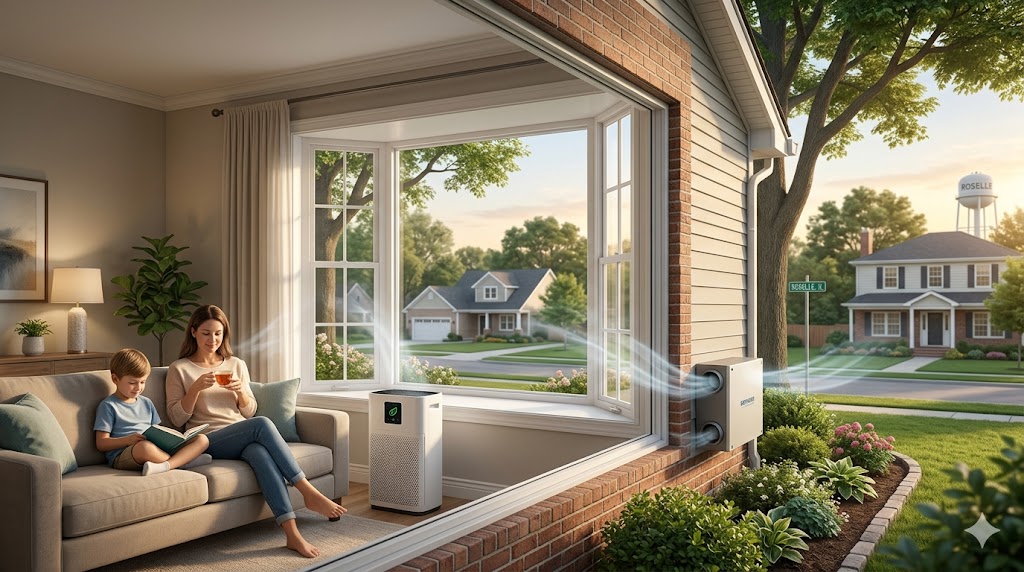
Ventilation improves IAQ by bringing in outdoor air and removing indoor contaminants. It ranges from natural ventilation—windows and vents—to mechanical systems like HVAC units. Well-designed ventilation dilutes pollutants and supplies fresh air where it’s needed most.
What Are the Benefits of Home Ventilation Systems With HVAC Integration?
Integrating ventilation with HVAC systems provides several benefits:
- Improved Indoor Air Quality: Consistent air exchange helps reduce pollutant levels.
- Enhanced Comfort Levels: Stable temperature and humidity create a more comfortable indoor environment.
- Energy Efficiency: Modern systems can work with existing HVAC equipment to balance air quality and energy use.
To protect indoor air quality, consider advanced HVAC solutions focused on air-quality improvements.
How Can You Maintain Optimal Indoor Air Quality and Ventilation?
Maintain IAQ and ventilation with practical steps:
- Regular Filter Changes: Replace HVAC filters on schedule to keep filtration effective.
- Use of Air Purifiers: Use purifiers that target key pollutants for added protection.
- Humidity Control: Keep indoor humidity in a healthy range to prevent mold and improve comfort.
Consistent application of these measures supports steady indoor air quality.
Routine HVAC System Maintenance and Air Quality Control
Routine HVAC maintenance sustains air-quality performance. Key practices include:
- Importance of Regular Maintenance: Servicing helps catch issues before they worsen air quality.
- Cleaning Procedures: Clean ducts and vents regularly to minimize dust and allergen buildup.
- Professional Inspections: Schedule inspections with HVAC professionals to address complex concerns.
These steps improve system efficiency and deliver better indoor air quality over time.
Troubleshooting Common Ventilation Issues in Homes
Identifying and fixing common ventilation problems improves IAQ. Homeowners often face issues such as:
- Inadequate Airflow: Blocked vents or misconfigured systems hinder air exchange.
- Unpleasant Odors: Persistent odors can indicate mold or trapped pollutants.
- Temperature Imbalances: Uneven heating or cooling causes discomfort and inefficiency.
Prompt action on these issues improves air quality and home comfort.
Frequently Asked Questions
1. What measures can I take to improve indoor air quality in my home?
Start with regular maintenance: change HVAC filters on schedule, use HEPA filters and consider air purifiers. Keep indoor humidity between 30–50% to limit mold. Clean regularly to remove dust, pet dander and allergens. Increase ventilation by opening windows when outdoor conditions allow or use exhaust fans to boost air exchange.
2. How often should ventilation systems be serviced?
Inspect and service ventilation systems at least once a year; consider every six months in homes with pets or high dust. Regular checks catch blocked ducts or dirty filters and support efficient air exchange.
3. What are the signs of poor indoor air quality?
Signs include persistent odors, excessive dust, more headaches or respiratory symptoms, and visible mold. If occupants report frequent lethargy or discomfort, investigate the air quality. An IAQ monitor can help detect pollutant levels and guide corrective actions.
4. Are there specific air pollutants I should be aware of in my home?
Common indoor pollutants include VOCs, mold spores, pet dander, dust mites and carbon monoxide. VOCs come from paints, cleaning products and some furnishings. Regular cleaning, moisture control and proper ventilation reduce exposure.
5. How does outdoor air quality affect my indoor environment?
Outdoor air enters when windows are open or HVAC systems draw outside air. High outdoor pollutant levels—smog or pollen—can lower indoor air quality and worsen allergies. Monitor local air-quality indexes and keep windows closed on high-pollution days.
6. What is the role of air purifiers in maintaining good indoor air quality?
Air purifiers remove particles like dust, pollen, mold spores and pet dander. Units with HEPA filters capture particles down to 0.3 microns, benefiting people with allergies or asthma. Place purifiers in frequently used rooms or poorly ventilated areas to improve air quality.
7. Can plants improve indoor air quality?
Certain houseplants—snake plants, peace lilies and spider plants—can absorb some pollutants, release oxygen and add humidity. They help but should not replace proper ventilation and routine maintenance as primary IAQ measures.
Conclusion
Distinguishing indoor air quality from ventilation helps protect health and comfort in homes and workplaces. Improving both IAQ and ventilation reduces risks from indoor pollutants while enhancing comfort and productivity. Routine maintenance combined with appropriate HVAC solutions helps maintain optimal indoor conditions. Take proactive steps today to improve your indoor air.