By Marketing Team, Precise Air Systems Inc.
Indoor air quality testing helps keep homes and businesses healthy and safe. Poor air can cause illness, reduce comfort, and increase costs. This article highlights signs that warrant testing, optimal times to inspect, common indoor pollutants, and how professional testing supports HVAC performance and energy efficiency.
What Are the Key Signs You Need Indoor Air Quality Testing?
Spotting warning signs early lets you address problems before they worsen. Recognising common symptoms and indicators helps identify potential contaminants affecting occupants.
How Does Indoor Air Pollution Affect Your Health and Comfort?
Indoor pollutants — such as mold spores, volatile organic compounds (VOCs), and fine particles — can trigger asthma, allergies, and other respiratory issues, especially in children, older adults, and people with existing conditions. Poor air quality is also linked to higher medical costs and reduced productivity.
Which Visible and Invisible Indicators Suggest Poor Air Quality?
Several indicators suggest declining indoor air quality, including:
- Frequent Illness: Recurrent colds or respiratory problems among occupants may point to an air-quality issue.
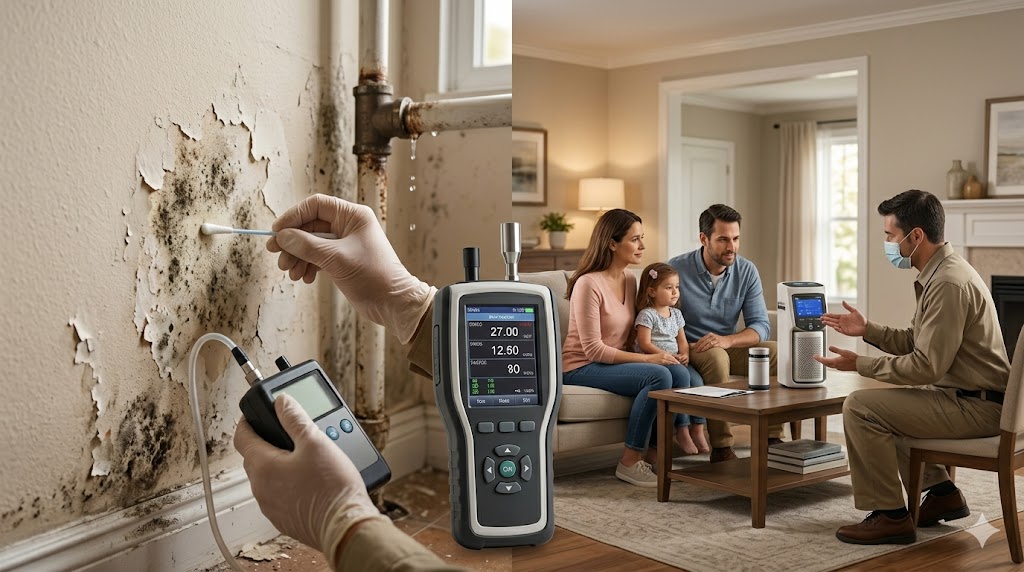
- Visible Mold Growth: Mold or mildew indicates excessive moisture and poor ventilation.
- Unpleasant Odors: Persistent or unusual smells can signal harmful gases or chemical vapours from household products.
If you notice these signs, schedule an assessment to reduce health and comfort impacts.
When Is the Best Time To Schedule Home Air Quality Inspection?
Timing affects test usefulness. Seasonal shifts and local conditions determine when inspections reveal the most actionable issues and help plan repairs or upgrades.
How Do Seasonal and Environmental Factors Influence Testing Frequency?
Seasonal changes affect indoor air predictably. High summer humidity increases mold and allergens; winter heating can circulate dust and particulates; spring brings pollen indoors. Scheduling tests around these transitions helps pinpoint season-driven problems and guide targeted solutions.
Why Should You Align Air Quality Testing with HVAC System Assessments?
Coordinating testing with HVAC checks yields clear benefits:
- Improved Air Quality: Inspections and maintenance reduce contaminants.
- Early Detection of Issues: Finding problems early prevents costly repairs.
- Cost-Effectiveness: Bundling services can save money and reduce downtime.
Combining services maintains HVAC efficiency while improving indoor air conditions.
What Indoor Pollutants Are Detected During Air Quality Testing Services?
A thorough assessment identifies contaminants that affect health. Common pollutants include:
- Mold and Mildew: Found in damp areas, they can pose health risks.
- Volatile Organic Compounds (VOCs): Emitted by paints, solvents, and cleaners; they may cause headaches, dizziness, and other issues.
- Carbon Monoxide: A colourless, odourless gas from faulty appliances that is extremely dangerous.
Regular testing spots contaminants early so you can remediate before occupants or systems are impacted.
Which Common Pollutants Impact Los Angeles Homes and Businesses?
In Los Angeles, warm, urban conditions can increase certain risks:
- Mold: Warm, humid pockets encourage growth.
- VOCs: Traffic and industrial activity can raise VOC levels.
- Carbon Monoxide: Older appliances and urban infrastructure can increase exposure risk.
How Do Testing Technologies Identify Mold, VOCs, and Carbon Monoxide?
Modern testing uses established techniques, typically combining:
- Air Sampling: Controlled air samples analysed for pollutant concentrations.
- Detection Devices: Sensors that provide continuous or real-time readings for specific contaminants.
Professionals combine methods to produce a clear assessment and remediation recommendations.
How Can Professional Indoor Air Quality Testing Improve Your HVAC and Energy Efficiency?
Professional testing yields actionable data that supports healthier indoor spaces and more efficient HVAC operation. Detecting contaminants and system issues enables targeted repairs and calibration to improve performance.
What Role Do HVAC Systems Play in Enhancing Indoor Air Quality?
HVAC systems control the indoor environment by:
- Filtering Pollutants: Proper filters capture dust, allergens, and particles.
- Controlling Humidity: Maintaining optimal humidity reduces mold risk and irritation.
- Enhancing Circulation: Proper circulation improves comfort and dilutes indoor contaminants.
Routine HVAC maintenance supports air quality and can reduce energy use over time.
How Does Integrating Solar Energy Solutions Support Better Air Quality?
Solar energy can support air-quality goals by improving energy efficiency, powering enhanced HVAC controls, and reducing reliance on emissions-producing energy sources. Over time, combining renewable energy with air-quality measures can lower operating costs and emissions.
| Pollutant Type | Sources | Health Effects |
|---|---|---|
| Mold | Humid environments, leaks | Allergies, respiratory issues |
| VOCs | Paints, cleaners, furniture | Headaches, dizziness, long-term health issues |
| Carbon Monoxide | Gas appliances, vehicles | Dizziness, unconsciousness, death |
The table summarises common indoor pollutants, their sources, and potential health effects. Regular testing helps reduce these risks and maintain healthier indoor spaces. If you are concerned about your home’s air quality, consider exploring professional air quality services. For more information on how they can assist with your specific needs, a visit to their indoor air quality page is recommended.
Frequently Asked Questions
What are the long-term effects of poor indoor air quality?
Poor indoor air quality can contribute to chronic respiratory conditions, cardiovascular problems, and neurological effects. Continued exposure to contaminants like mold, VOCs, and carbon monoxide can worsen asthma and allergy symptoms, reduce productivity, and increase healthcare costs.
How often should I have my indoor air quality tested?
Annual testing is a good baseline. Test more often if occupants have persistent symptoms, or after events like floods, renovations, or during seasonal changes (post-winter heating or peak summer humidity).
Are DIY air quality tests effective?
DIY kits offer basic, initial insight but generally lack the accuracy and breadth of professional testing. For detailed analysis, sensitive environments, or after major work, professional testing is more reliable.
Can plants help improve indoor air quality?
Some houseplants can reduce certain pollutants and add oxygen, but they are not a substitute for testing, filtration, ventilation, and proper maintenance.
What should I do if indoor air quality tests reveal pollutants?
Address the source first: repair leaks, improve ventilation, use air purifiers, or upgrade HVAC components. For significant issues like extensive mould or carbon monoxide, arrange professional remediation.
How can I maintain good indoor air quality after testing?
Maintain good air quality by changing HVAC filters regularly, ensuring adequate ventilation, and controlling humidity. Use exhaust fans, minimise VOC products, and keep surfaces clean. Regular assessments and HVAC maintenance help sustain healthy conditions.
Conclusion
Maintaining good indoor air quality protects health and comfort while supporting efficient building operation. Regular testing identifies pollutants, guides HVAC improvements, and can reduce energy use and operating costs. Schedule a professional assessment to review targeted solutions for your property and ensure occupant safety.